NEW SINGLES —————————
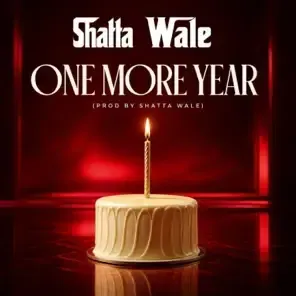
Ghanaian dancehall star Shatta Wale celebrates life with his new single, “One More Year,” a birthday anthem expressing gratitude, seeking blessings, and embracing the hope of many more years ahead. Blending his signature swagger with fresh, synth-driven production, the track delivers an energetic, dance-floor-ready sound while reflecting on life, appreciation, and personal growth. With its uplifting message and infectious vibe, Shatta Wale delivers another celebratory offering.
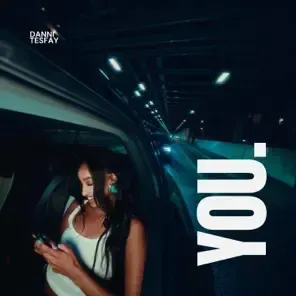
British-Eritrean singer-songwriter Danni Tesfay returns with “You,” her latest contemporary R&B single, released last week. The track marks Danni's comeback after a three-year hiatus following her 2023 breakout songs and serves as the title track of her new album. Blending sultry R&B, pop, and soul over highly charged production, Tesfay delivers a sensual performance exploring desire, intimacy, and longing for her partner’s touch.
NEW ALBUM
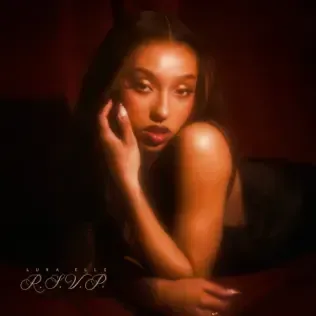
Ghanaian-Canadian singer-songwriter Luna Elle has released her 12-track debut album, R.S.V.P., on October 23 via Hot Freestyle Records. The project features just one guest appearance, Nigerian R&B singer Shae Universe on the closing track “Blame Me.” Other standout songs include the introspective “Moment of Silence” and soulful “Somebody Like You.” The album also features “Come to Me,” a contemporary R&B single exploring intimacy, emotional vulnerability, and the magnetic pull of romantic connection. Blending soulful melodies, heartfelt songwriting, and contemporary R&B influences, R.S.V.P. introduces Elle’s artistic vision and establishes her as an emerging voice in the genre.
PREMIERING NOW
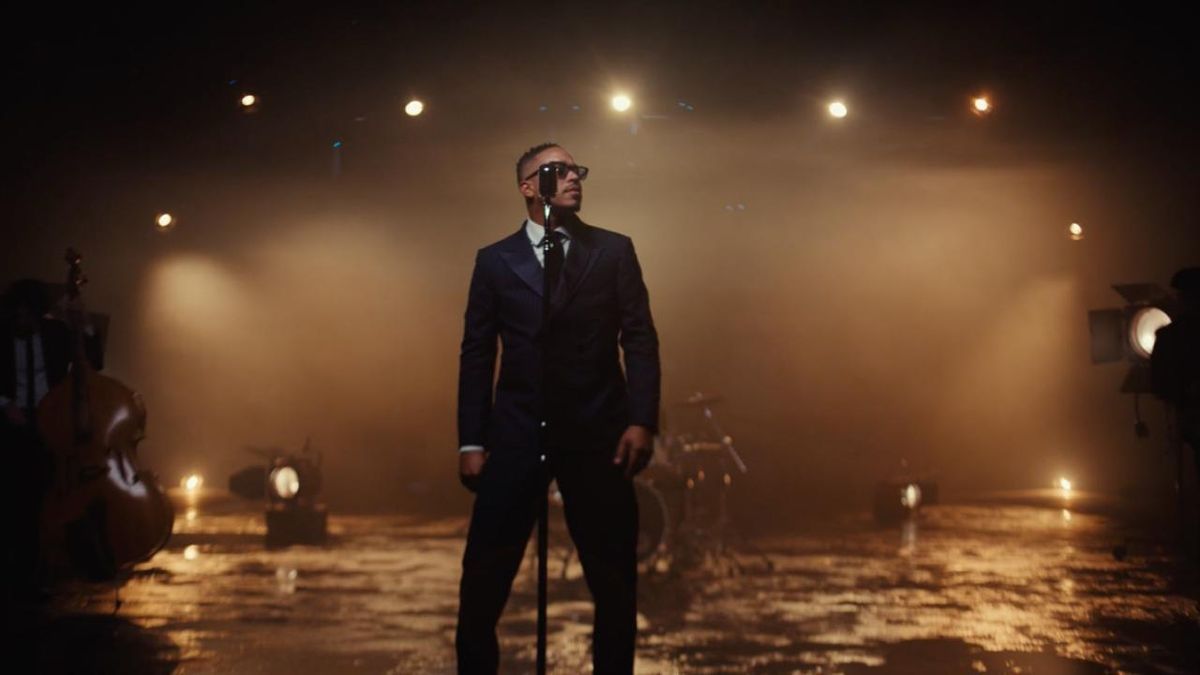
R&B singer-songwriter October London has released the official music video for “Body Talk,” a standout from his latest album, Love Me For Me , out via Death Row Records/gamma. Produced by Snoop Dogg, Priest “Soopafly” Brooks and MyGuyMars, the visual blends steamy romantic moments with full-band performance scenes, highlighting the track’s sensual atmosphere. In the video the South Bend, Indiana native explores the tension between public attention and private intimacy, continuing to showcase his smooth vocals and contemporary soul sound.
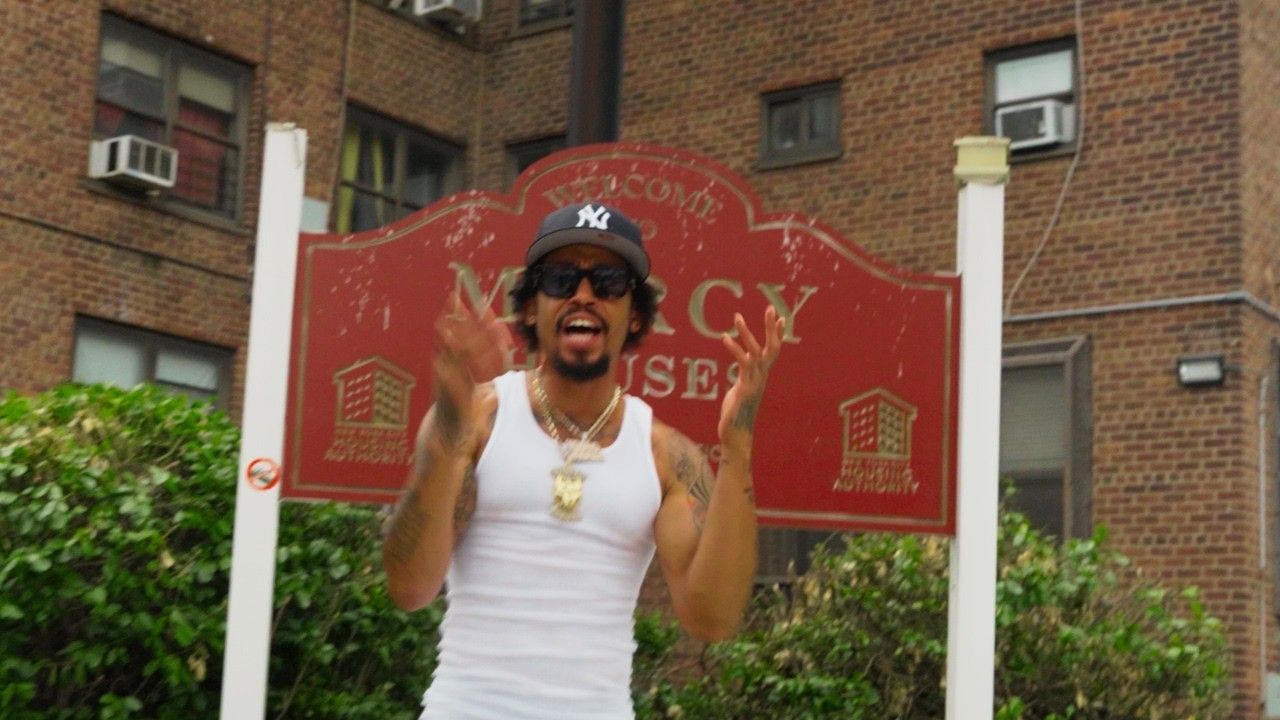
NYC rapper Cory Gunz pays tribute to hip-hop’s golden era with his new single and video, “99 9’s,” from his 96 Era project. Produced by Ski Beatz, the track flips JAY-Z’s classic “22 Two’s,” bringing New York lyricism to the forefront. Filmed outside Brooklyn’s iconic Marcy Projects, the video features a cameo from Memphis Bleek and Cory arriving in a yellow Lamborghini as Gunz delivers intricate rhymes while celebrating the legacy of 1990s hip-hop.
ARTS & ENTERTAINMENT
———————————————————————
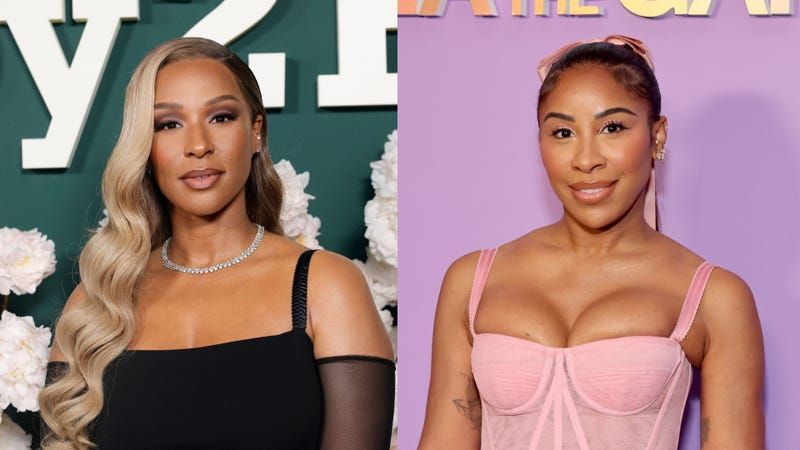
Savannah James and longtime friend and business partner April McDaniel may be building businesses together, but they don’t necessarily travel the same way. During an episode of Mental Wealth, the women discussed their different financial lifestyles, including how James flies first class while McDaniel typically chooses a more budget-conscious option. McDaniel recalled an instance when she left her business-class seat to spend time with James in first class, a moment that later drew attention online. The friends acknowledged that their financial circumstances are different, but said it hasn’t created tension in their relationship or business partnership. McDaniel, founder of Crown and Conquer and co-founder of Everybody’s Crazy, said social media creates misconceptions about wealth. The pair have been friends for 15 years and now operate ventures under their Signed holding company.
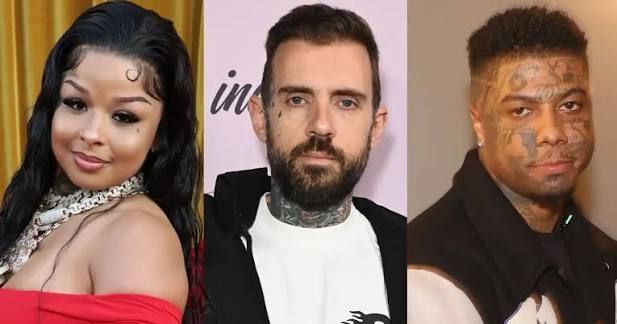
YouTuber Adam22 has accused rapper and boxer Chrisean Rock of drinking alcohol and using drugs while pregnant with her son, Chrisean Jr., whom she shares with Blueface. During a recent livestream, Adam questioned Rock’s parenting and claimed, without confirmation, that Junior may have fetal alcohol syndrome. Rock denied the allegations and threatened to sue Adam for slander. Adam said he would welcome a lawsuit, claiming it would allow him to seek her medical records and messages related to her pregnancy during discovery. Blueface has also previously accused Rock of substance use while pregnant. Rock maintains that Junior has never been diagnosed with cognitive or physical disabilities. During an August appearance on The Jason Lee Show, she said he receives physical therapy and is developing normally.
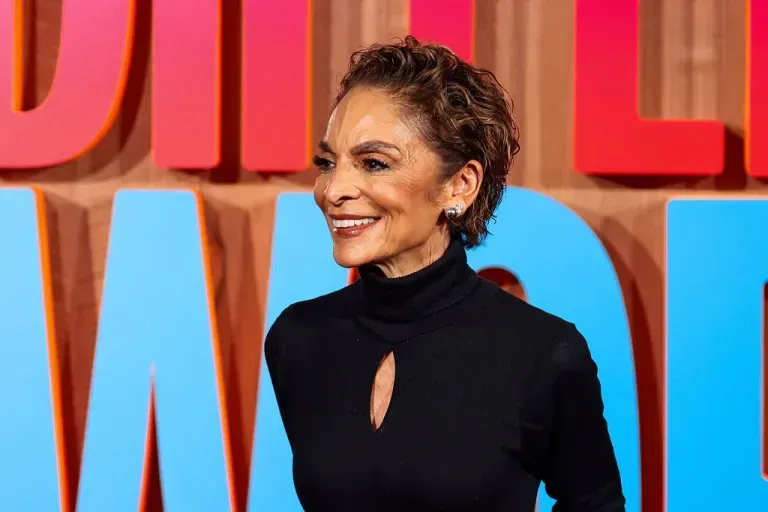
Jasmine Guy is pushing back against online criticism of her appearance following her return as Whitley Gilbert in Netflix’s A Different World revival. Guy reunited with Kadeem Hardison, Darryl M. Bell and Cree Summer, delighting longtime fans, while others compared her current appearance with her younger self from the original series. In a Sept. 27 Instagram post, the 64-year-old actor addressed the scrutiny, saying the internet can be harsh toward women as they age. Guy acknowledged that growing older brings changes but emphasized that beauty, style and happiness have no expiration date. She encouraged people to stop judging themselves and others and instead focus on love, creating memories and enjoying life. Fans and celebrity friends, including Tina Knowles and Tatyana Ali, responded with messages praising Guy’s beauty and grace.
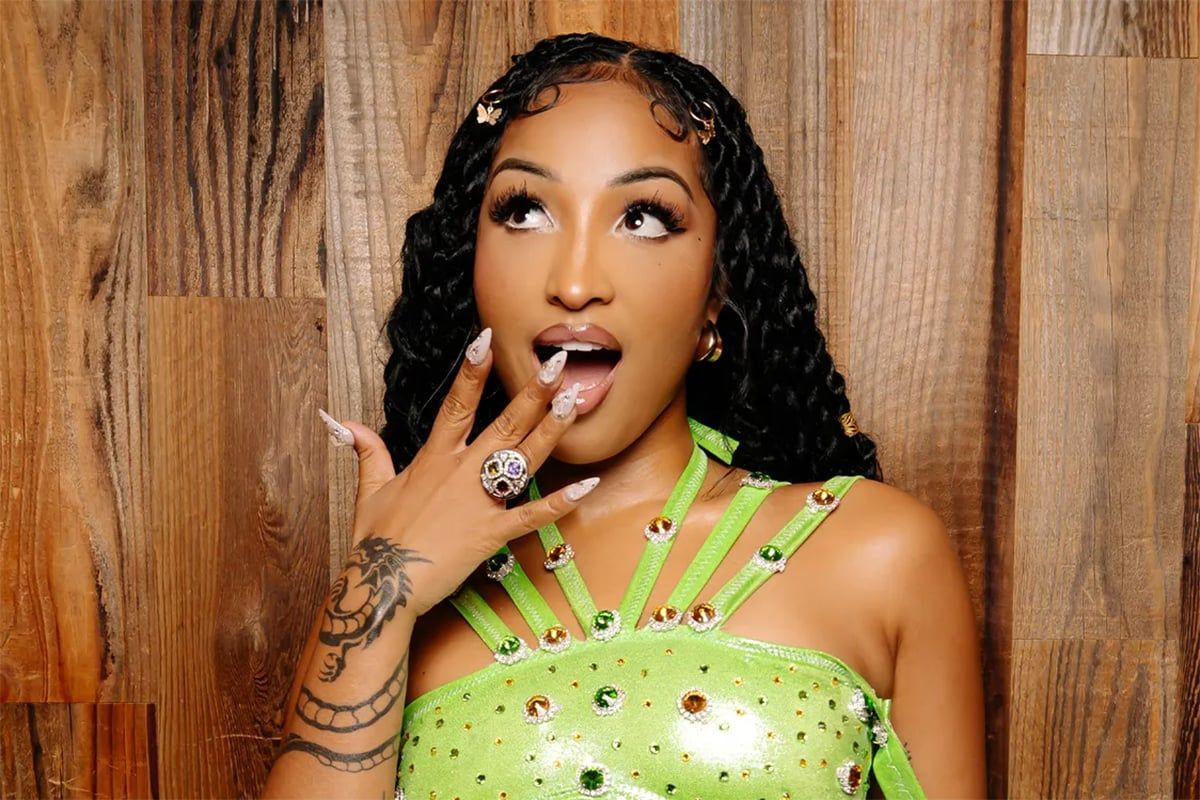
Jamaican dancehall star Shenseea has surpassed 1.5 billion views on YouTube, becoming the first Jamaican female artist to reach the milestone just days before her 30th birthday. Her channel has benefited from hits including “Hit & Run” with Masicka, which has more than 201 million views, “Lighter” with Tarrus Riley at over 137 million, and “Blessed” featuring Tyga with more than 75 million. Her breakthrough came in 2016 with “Loodi” featuring Vybz Kartel, which has exceeded 53 million views. Other popular releases include “Rebel,” “The Side Chick Song,” “Love I Got for U” and “Waistline.” Her broader YouTube impact extends beyond her own channel, including Moliy’s “Shake It to the Max (Fly)” remix featuring Shenseea and Skillibeng, which has surpassed 312 million views.
NOW PLAYING ———————————————————————
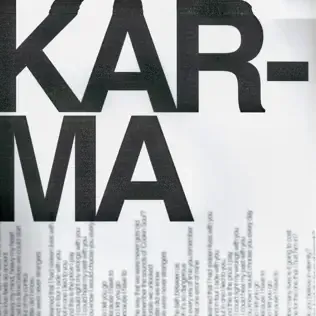
Swedish-Iranian singer Snoh Aalegra returns with “Karma,” her first new music in three years. Produced by Josh Grant and co-written with Joel Compass, the reflective track explores a powerful, complicated connection that spanned several years. Ahead of its release, Aalegra described a karmic bond involving sixteen shared lifetimes, lessons revealed by a karmic healer and betrayal that ultimately ended the relationship in this lifetime. Following her 2023 releases, including “Forever” with Charlotte Day Wilson, “Karma” signals a new creative chapter centered on self-discovery and personal growth.
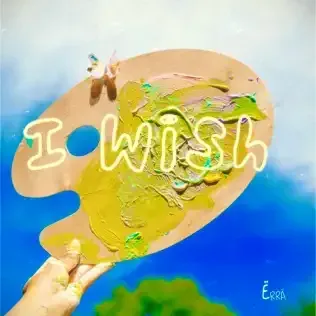
North Carolina-based alternative R&B and neo-soul singer-songwriter ËRRÄ returns with her new single, “I Wish,” a soulful release blending R&B and pop. The deeply personal track explores relationships, regret, healing and the lessons learned along the way as ËRRÄ reflects on past experiences and the journey toward self-discovery.
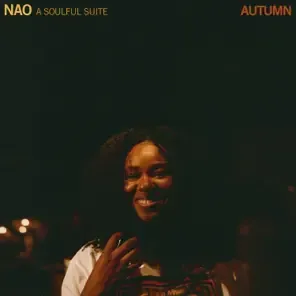
London singer Nao returns to her jazz roots with Autumn, a 10-track album released through Little Tokyo Recordings. Created with producer Dave Okumu, the independent project features no guest appearances and launches A Soulful Suite, a planned four-album series exploring genres that have shaped her musical journey. Moving between traditional jazz, jazz fusion and funky, syncopated grooves, Nao’s distinctive falsetto guides the collection. Songs including “Fly Away,” “Burst,” “Hold Out” and “Save The World” explore seasonal change, healing, perseverance and humanity, capturing autumn’s warmth, reflection and emotional transformation.
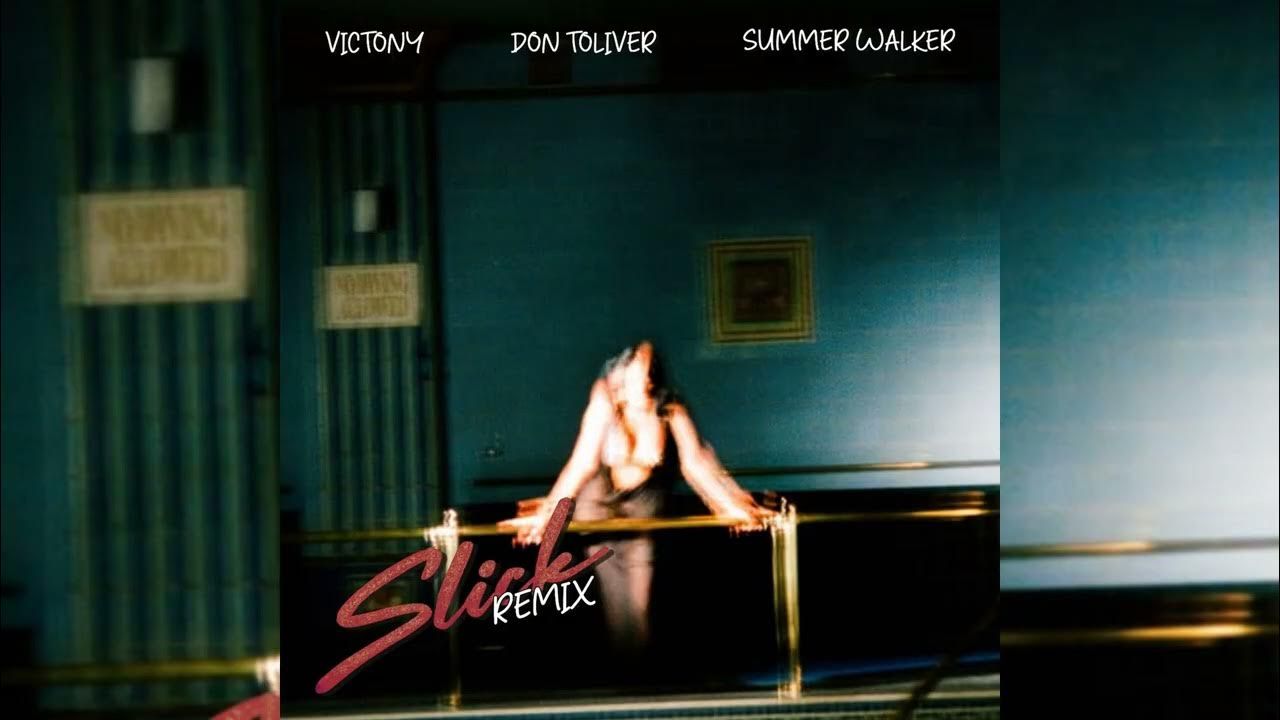
Nigerian singer Victony expands his hit single “SLICK” with a remix featuring American R&B star Summer Walker and rapper-singer Don Toliver. The official music video showcases a cross-cultural collaboration that blends Afrobeats with contemporary R&B, exploring attraction, intimacy and confidence. Victony preserves the original track’s playful energy, while Walker adds her signature smooth vocals and Toliver delivers his melodic style. Together, the trio brings a fresh dimension to the established hit while connecting Nigerian sounds with international audiences.
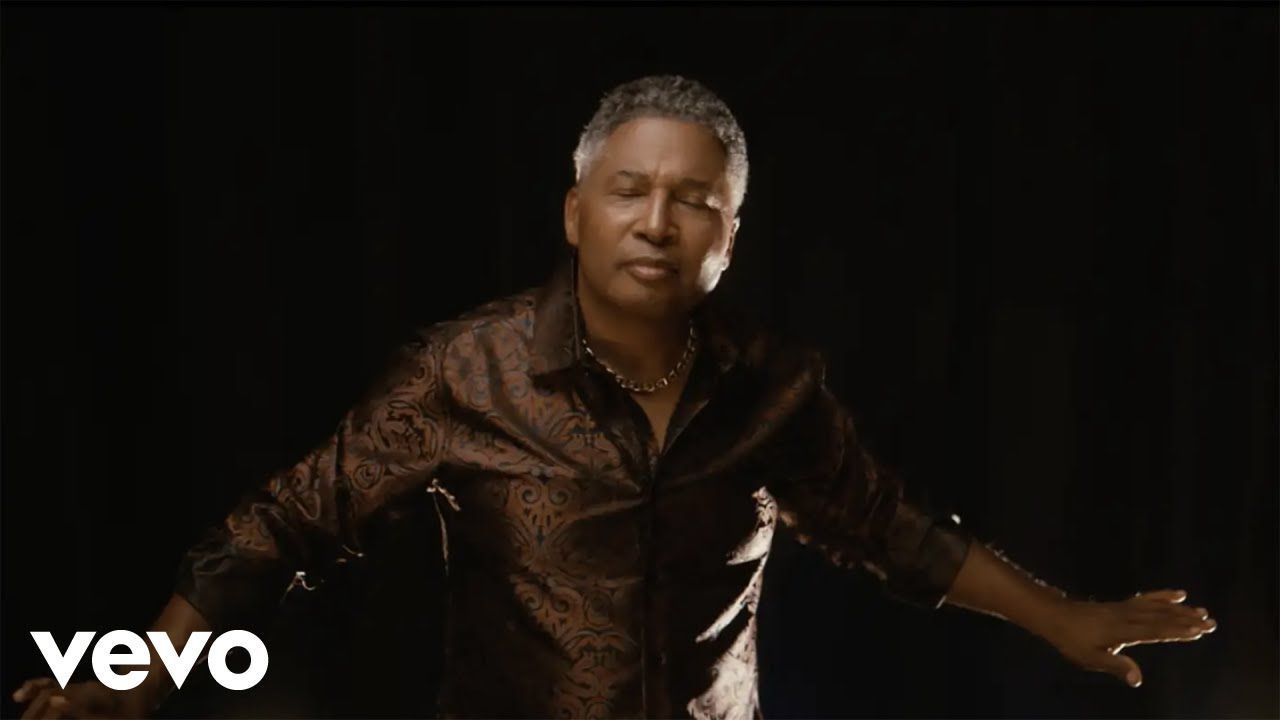
R&B veteran Kevon Edmonds returns with the official music video for his latest solo single, “Right Here,” released October 16. The After 7 member and older brother of Kenneth “Babyface” Edmonds delivers smooth vocals on the romantic slow jam, promising his lady everything she desires in love. Following his chart-topping cover of Sade’s “No Ordinary Love,” Edmonds embraces classic Quiet Storm vibes in the Los Angeles-shot visual, directed by filmmaker Dabling and featuring actress Taylor A. Williams.

Meek Mill returns with “Wanna Be Free,” featuring Chicago rapper G Herbo, via DreamChasers. The introspective collaboration explores self-preservation, survival, and personal struggles, showcasing both artists’ storytelling abilities. G Herbo complements Meek’s signature North Philadelphia grit with a reflective verse. The single marks Meek’s third official release of 2026, following “600 Racks” and “Nightmares To Dreams,” amid growing fan anticipation fueled by social media teasers and unreleased music previews.
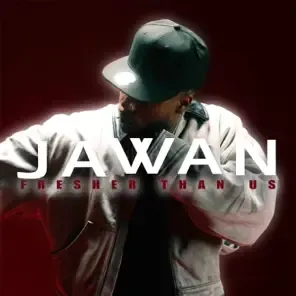
Jawan returns with “Fresher Than Us,” his second single since joining Epic Records this year. Inspired by Outkast’s classic single “So Fresh, So Clean,” the R&B ballad celebrates the chemistry between new lovers while blending contemporary sounds with nostalgic melodies. Following his SWV-inspired release “Always On My Mind,” Jawan’s latest offering highlights his commitment to traditional R&B, emphasizing strong songwriting, memorable melodies, emotional vulnerability, and the genre’s influential 1990s roots.
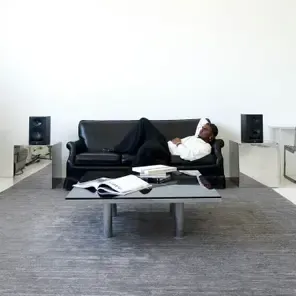
R&B riser Aaron Page concludes his imperfect loverboy story with Same Page , a project first introduced two years ago. The album finds him embracing his emotions more openly through expansive, deeply personal records. Prioritizing feeling over technicality, Page allows the music to develop organically, reflecting changes in his everyday life. Its intentional sequencing creates a cohesive listening experience exploring love, emotional vulnerability, personal growth, and the complexities of relationships.
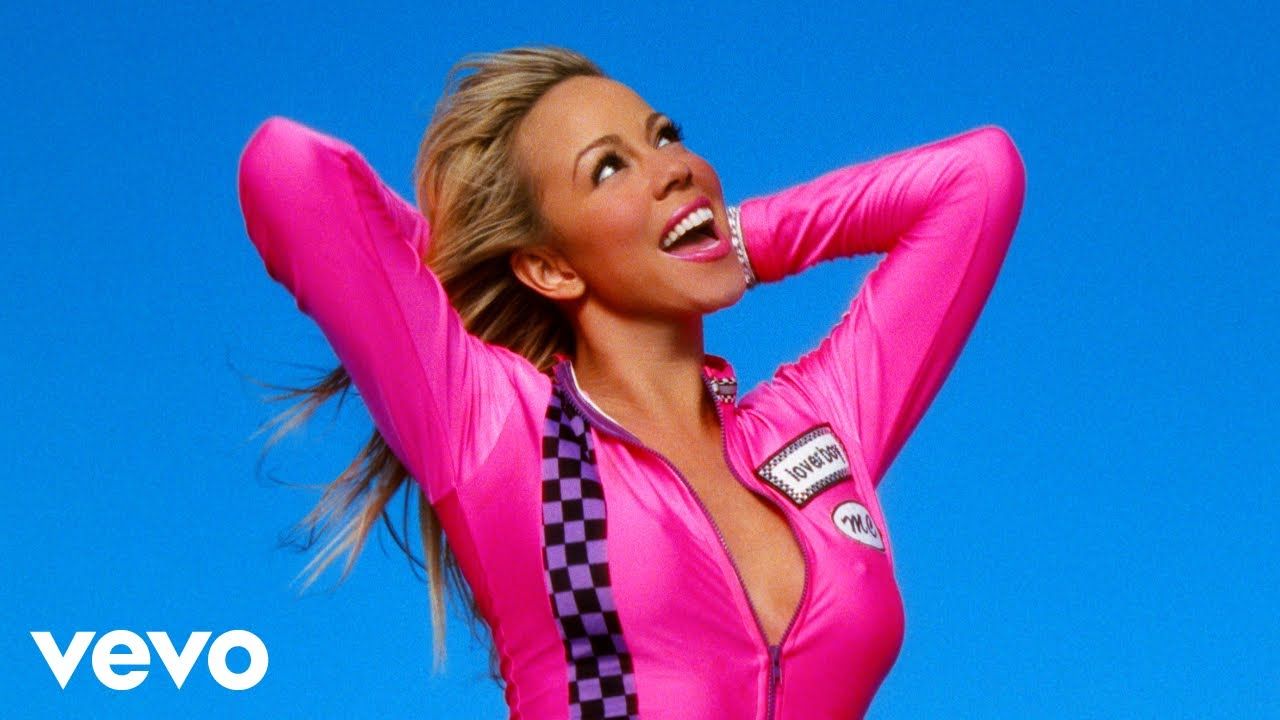
Mariah Carey’s “Loverboy Remix” music video returns in true 4K as part of the 25th anniversary celebration of Glitter . Directed by David LaChapelle, the 2001 visual features Da Brat, Ludacris, Shawnna, and Twenty II. Restored frame by frame from original 35mm film, the video preserves its original edit while revealing previously unseen details. The anniversary celebration also includes an expanded Digital Deluxe Edition of Glitter , featuring 15 additional tracks, selections from Carey’s personal vault, and new collaborations with Rochelle Jordan and Channel Tres.

Wyclef Jean and Carlos Santana reunite 27 years after collaborating on Santana’s 1999 hit “Maria Maria” with “Freedom (Carlos Santana Remix).” The new version of Jean’s song features Santana’s signature guitar work and an accompanying music video, exploring the meaning of freedom in today’s world. Originally featured on Jean’s Clef Notes – Quantum Leap, Vol. 1 , the track continues the musician’s ambitious seven-album project while reviving a successful creative partnership rooted in their shared musical history.
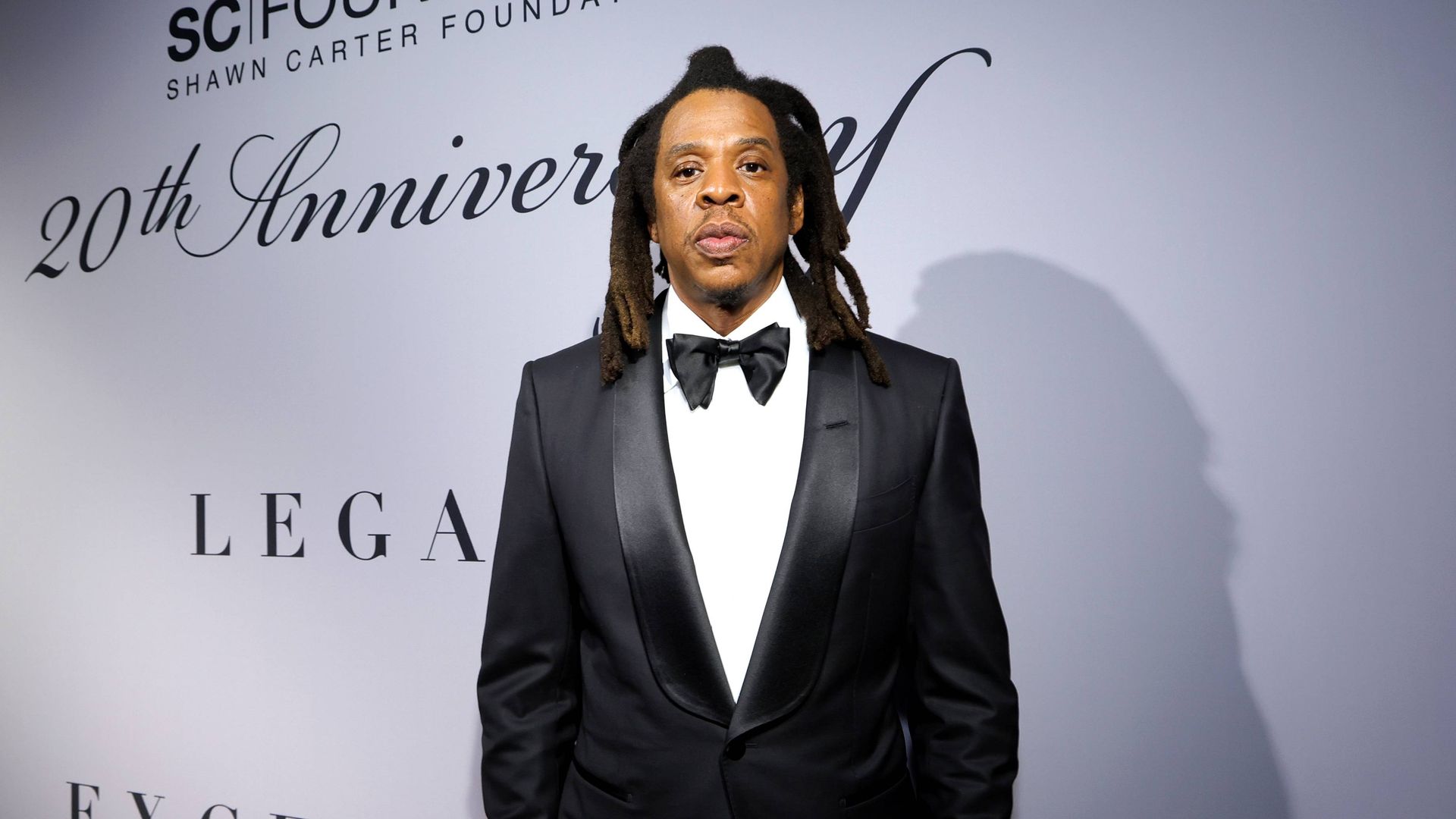
African music is having a moment on the global stage. From Lagos to London, Afrobeats has evolved into a worldwide phenomenon, filling arenas, dominating playlists, and bringing African artists into collaborations with some of the biggest names in music. It is a proud moment for the continent, but beyond the celebrations, an important question remains: Who is actually making money from all this success? According to Spotify’s 2025 Wrapped findings, global Afrobeats listening grew by 22%. While those numbers are impressive, streaming figures alone do not tell us whether the artists behind the music are building lasting wealth. The challenge is that we often confuse visibility with financial success. At BusinessDay’s Creative Entertainment Summit in June 2026, industry leaders highlighted how weak intellectual property systems, inadequate licensing, and external ownership arrangements can limit the value African creators retain. These are issues the industry cannot afford to ignore. International record deals are not inherently bad; they can provide funding, wider distribution, and access to audiences artists might struggle to reach independently. However, when an artist gains global recognition without fully understanding the terms of a contract or retaining meaningful rights to their music, that success can come at a cost. Breaking into international markets should open doors, not force artists to surrender control of the very work that got them there. Beyond ownership and royalties, Africa must also address whether its entertainment infrastructure can keep pace with its growing talent. A May report by The Guardian highlighted challenges facing African promoters, including limited suitable venues, high production costs, and economic barriers. It is difficult to celebrate the global rise of African music without asking why organizing major shows at home remains such a struggle. Still, there are encouraging signs. TurnTable Charts’ first-half 2026 figures placed Dapper Music & Entertainment ahead of other Nigerian-owned music companies, with a reported 3.82% share of the measured market. Although that figure may seem modest, the growing presence of locally owned companies is worth celebrating because ownership matters just as much as visibility. Looking ahead, the next phase of African music’s growth must be about more than awards, viral hits, and streaming records. We need to ask whether songwriters are receiving their royalties, whether independent labels can access investment, and whether African cities have venues capable of hosting major tours. Governments must strengthen copyright enforcement, businesses need to invest in infrastructure, and artists must understand the business side of their careers. Talent may get an artist noticed, but sustainable businesses are what keep an industry alive. African music cannot thrive on a handful of superstars alone; it needs a strong ecosystem in which producers, songwriters, managers, promoters, independent labels, and emerging artists can earn a living, retain value, and grow alongside the industry.
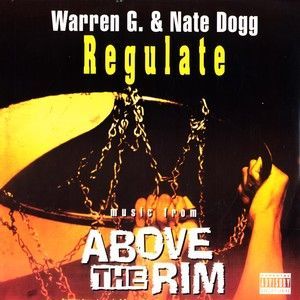
Released in April 1994, Warren G and Nate Dogg’s “Regulate” became one of the defining records of West Coast hip-hop. Featured on the soundtrack to the basketball drama Above the Rim before appearing on Warren G’s debut album, Regulate... G Funk Era , the single captured the smooth, laid-back sound of G-funk. Powered by a memorable sample of Michael McDonald’s “I Keep Forgettin’ (Every Time You’re Near),” the track blended soulful melodies, deep bass and vivid storytelling into a record that helped bring West Coast rap to an even wider audience. “Regulate” tells a cinematic story of a nighttime encounter in Long Beach that takes a dangerous turn when Warren G is robbed during a dice game. Nate Dogg steps in to help his friend, delivering his unmistakable melodic vocals alongside Warren G’s relaxed, conversational flow. The song’s opening dialogue, sampled from the 1988 Western Young Guns , immediately sets the tone, while the chemistry between the two artists makes the narrative feel like a short film set to music. The accompanying video further connected the song to Above the Rim , featuring footage from the movie and a cameo by Tupac Shakur. The single became a major commercial success, peaking at No. 2 on the Billboard Hot 100 and reaching No. 8 on the R&B/Hip-Hop chart. Its music video became an MTV staple, remaining at the top of the network’s video charts for much of the summer of 1994. More than a hit record, “Regulate” helped cement Warren G and Nate Dogg’s place in hip-hop history, showcasing the power of combining storytelling, sampling and soulful vocals. Decades later, its instantly recognizable groove and timeless West Coast vibe continue to make it an essential soundtrack to the golden era of ’90s hip-hop.
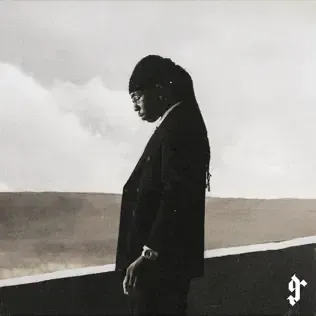
Nigerian Afrobeats artist Fola returns with 9, a 14-track album that highlights his continued growth as an artist. Following his 2025 debut album Catharsis, Fola builds on the sound that has helped him connect with listeners, blending catchy melodies, smooth vocals, and relatable lyrics. Inspired by the number nine’s significance in football, the project reflects his ambition to score big in his career while exploring love, personal growth, and the realities of success. One of the album’s biggest strengths is Fola’s ability to make his music feel personal without sacrificing its replay value. His vocals flow effortlessly over the production, creating a sound that is both engaging and accessible. “Awade” sets the tone with its reflective feel, while “2am in Toronto,” featuring Davido, adds a romantic touch. Collaborations with Ayra Starr, BNXN, and Bella Shmurda bring additional variety, introducing different moods while allowing Fola’s musical identity to remain at the forefront. Overall, 9 is a solid addition to Fola’s growing catalog. While the album stays close to the sound that listeners have come to know and appreciate, it delivers enough memorable moments to keep them coming back. Balancing emotional storytelling with feel-good Afrobeats, the project demonstrates Fola’s understanding of his strengths and signals an artist who continues to refine his sound while carving out his place in the genre. Standout Tracks: “Awade,” “2am in Toronto,” and “Treat U Right.” Rating: 7.5/10 - Joy Nkirote
SEARCH
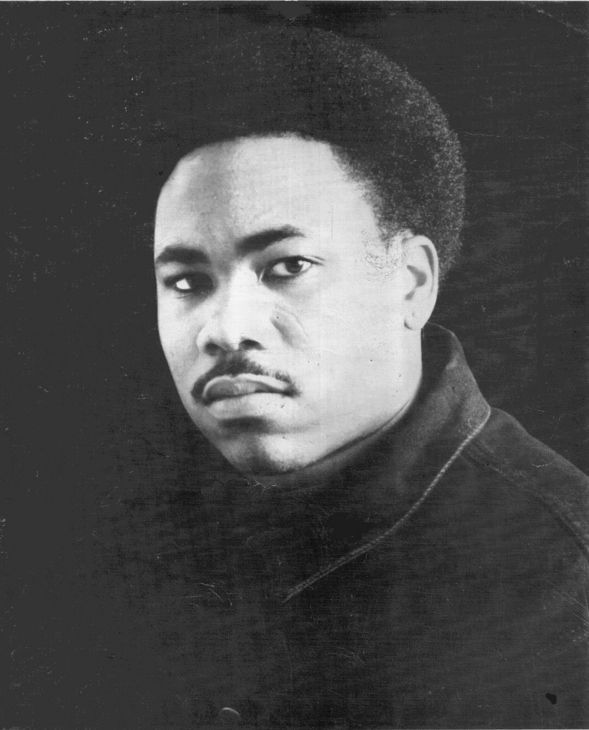
Remember Seagram Miller, an influential Oakland rapper. Learn about his legacy & impact on West Coast hip-hop. Read more!
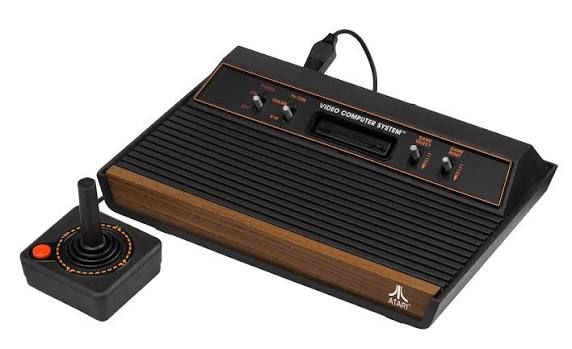
Explore Atari 2600's impact on gaming & its new film adaptations. Stay updated on the latest news in arts & entertainment!
OUTSIDE THE STUDIO
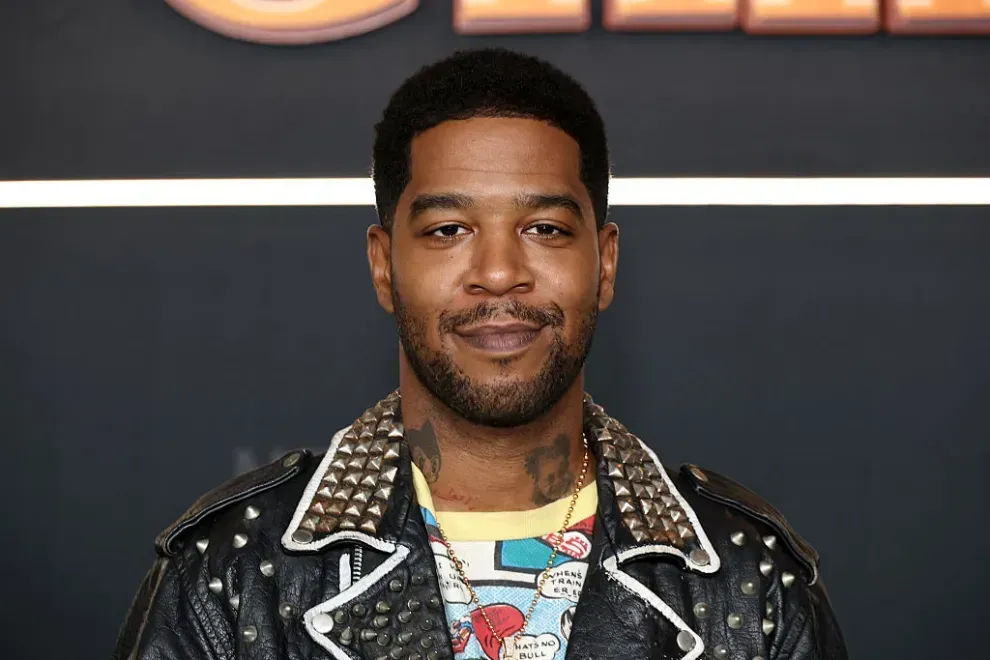
Kid Cudi is set to portray legendary artist Jean-Michel Basquiat in *Jean*, an upcoming biographical film that the rapper will write, direct and star in. Cudi announced the project on social media, sharing images of himself in character and revealing that production is scheduled to begin in 2027. The musician said he decided to write the screenplay himself after years of being asked about playing Basquiat, explaining that the project required extensive research, including reading books and speaking with people who knew the artist. Cudi described the film as a “love letter to Jean, the 80s and NY city,” adding that Basquiat has inspired him throughout his career.
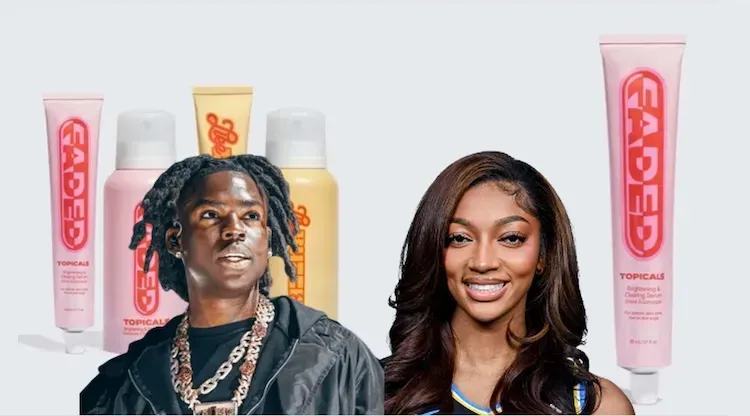
Skincare startup Topicals has announced a new round of financing featuring investments from WNBA standout Angel Reese and Nigerian music star Rema. The announcement, made Jan. 7, adds two prominent figures from sports and entertainment to the company’s growing list of supporters. According to Business of Fashion, the funding round also includes other investors from the entertainment industry, although the company has not disclosed the financial terms. Founded in 2020 by Olamide Olowe, Topicals has raised more than $22.6 million since its launch. The brand has gained recognition for combining clinically focused skincare products with culturally relevant marketing and storytelling. Its popular offerings include $22 under-eye masks and a $38 Faded Serum designed to address dark spots and hyperpigmentation. Although many of its products target skin concerns that disproportionately affect people with darker skin tones, Olowe has worked to expand the company’s appeal to a broader audience. Topicals has sold more than one million eye patches and operates in the United States, United Kingdom, Canada and Nigeria. The company also expanded into France last November.
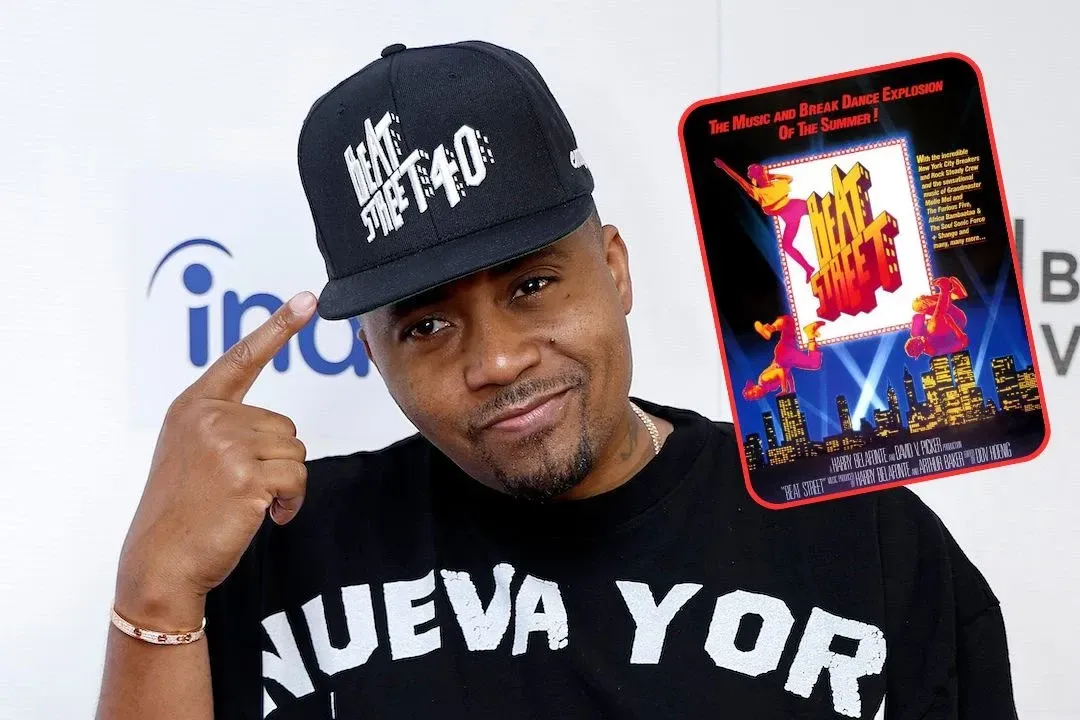
The Broadway-bound musical adaptation of Beat Stree t, based on the groundbreaking 1984 film, has assembled its principal creative team. The Wiz director Schele Williams will helm the production, while Hell’s Kitchen writer Kristoffer Diaz will write the book. Grammy-winning music supervisor Jason Michael Webb joins the team as music supervisor, arranger and orchestrator, alongside previously announced executive producer and artist Nas. Nas is creating new material for the stage production and expanding the original film’s influential soundtrack. Last month, Nas, Williams, Diaz and Webb collaborated during a 29-hour workshop to develop the musical adaptation. Additional details about casting and the production schedule are expected to be announced in the coming months.
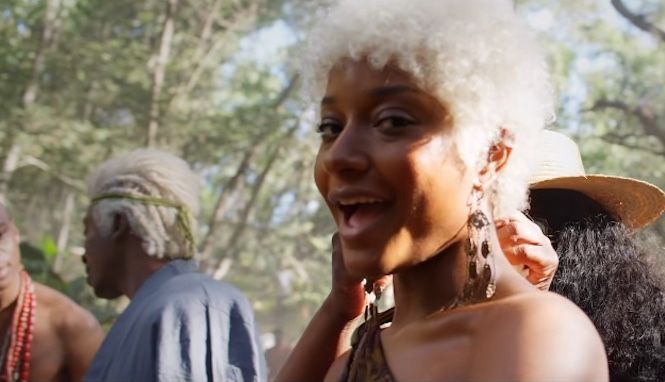
Nigerian singer Sarah Aderibigbe, better known as Ayra Starr, has given fans their first glimpse of her Hollywood acting debut in Children of Blood and Bone . Director Gina Prince-Bythewood shared a behind-the-scenes teaser for the highly anticipated fantasy film on Instagram Monday, offering a look at the production while announcing that the official trailer would be released Tuesday. Prince-Bythewood also revealed that the film is scheduled to arrive in theaters January 15. Although Ayra Starr appears only briefly in the teaser, the footage marks the first visual look at the Grammy-nominated singer portraying a fictional character on screen. The teaser is soundtracked by Tems’ hit single “Me & U,” adding another Nigerian connection to the Paramount Pictures production. The film is based on Tomi Adeyemi’s bestselling fantasy novel and represents Ayra Starr’s first time playing a fictional character in a major film.
THE DROP ZONE ———————————————————————
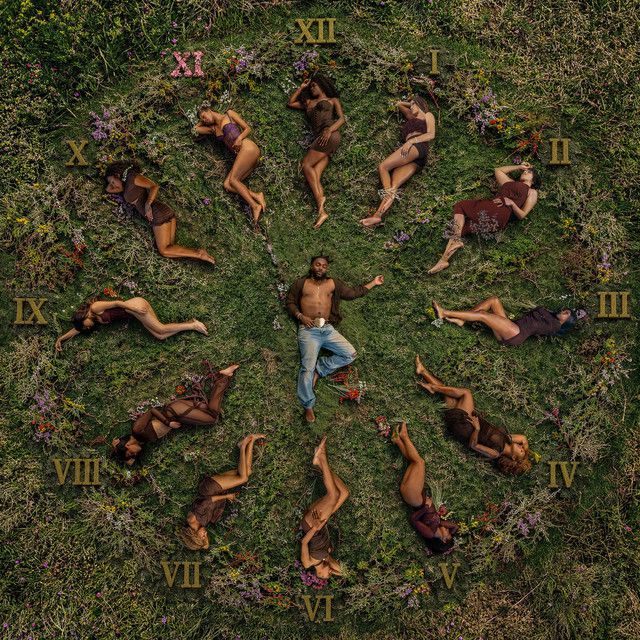
GRAMMY-nominated artist Johnny Venus has released his debut solo album, The 11th Hour , a 12-track project executive produced by The-Dream and released through Sincethe80s and Epic Records. Expanding beyond his work as one half of EARTHGANG, Venus explores love, healing, spirituality, and personal growth through a blend of progressive R&B, soul, and funk. Introduced by four singles, including “I Want You Back” and “Nightmares,” the album reflects his evolving worldview, celebrating self-love, relationships, family, and community.
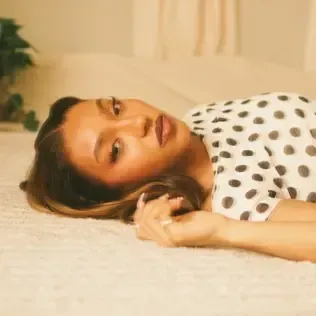
Mississauga, Ontario-based Ghanaian-Canadian singer-songwriter Luna Elle delivers a captivating blend of contemporary R&B and neo-soul on her new single, “Come To Me,” released September 18 through Hot Freestyle Records. Produced by Nonso Amadi and Kevin “Kofo” Ekofo, the track explores intimacy, emotional vulnerability, and the irresistible desire for closeness. Showcasing her soulful vocals and emotional depth, the single offers a glimpse into her artistic vision ahead of her upcoming debut album, Lunar .
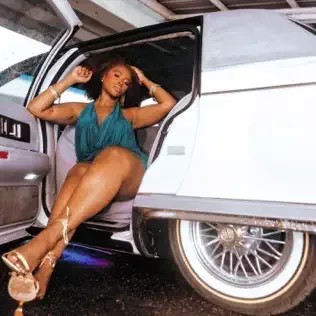
Houston singer-songwriter Peyton embraces her Southern roots on her new release, “From The South (Personal),” blending contemporary R&B and soul with her dreamy, distinctive vocals. Raised in Houston, Texas, Peyton developed her musical foundation through early training in vocals and violin, drawing inspiration from gospel, hip-hop, pop, and R&B. Released through PeyDay in 2026 alongside “Don’t Move Fast,” the track also features production from Bryant Troy and ezm.
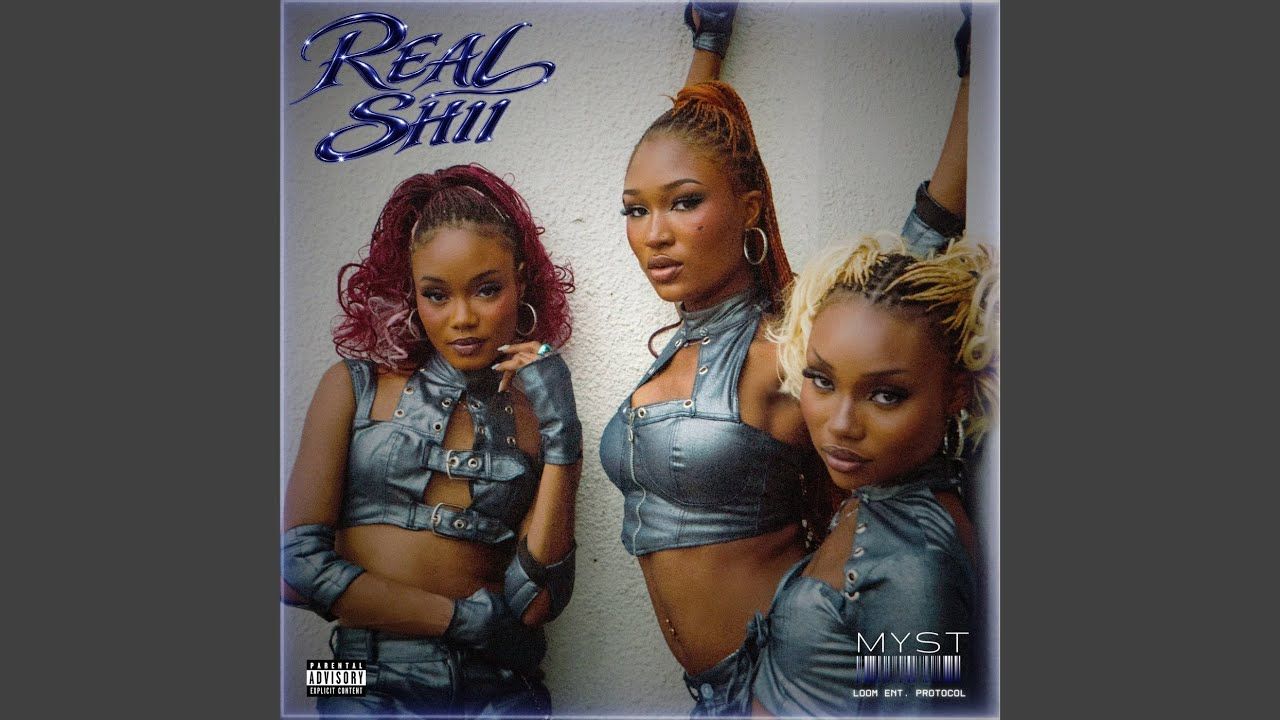
Nigerian Afro-Pop girl group MYST, featuring Mira, Sucré, and Trella, deliver an unapologetic statement with “REAL SHII,” the newly formed trio’s second single. Produced by Dan Akins and Jaytron, the track blends smooth Afrobeats harmonies with energetic UK garage and dance influences. Exploring real-life desires, personal flaws, confidence, and contradictions, the song showcases the group’s fearless attitude and individuality. Accompanying the release, the street-themed visualizer features a stylish walk-and-dance concept that matches the record’s infectious energy
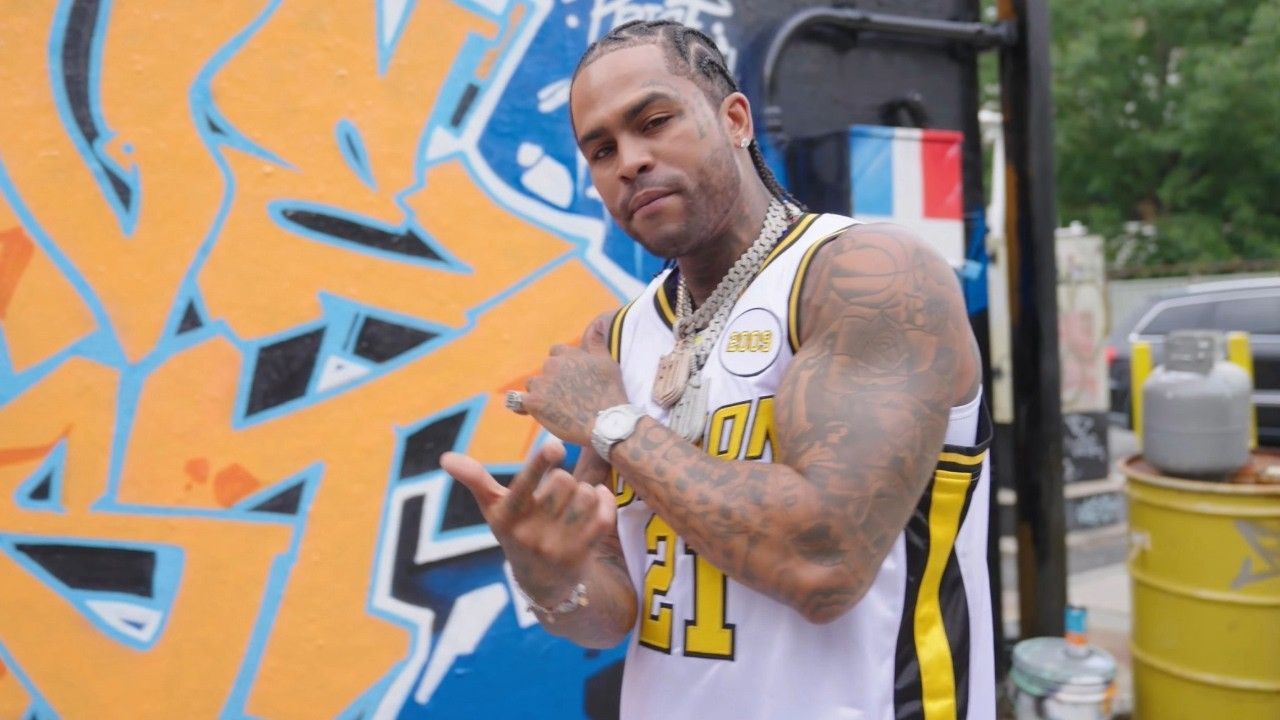
Dave East and super producer Harry Fraud deliver the official music video for “Stay With Me,” a standout track from the luxury edition of their collaborative album, Price of Pain . Directed by @the_infamous_oz, the visual features contributions from artist @charliedovesnyc. The expanded project adds five bonus tracks to the original release and boasts an impressive lineup of guests, including Vado, Benny the Butcher, Styles P, Snoop Dogg, AZ, and Suzi. John Sparkz handled mixing and mastering.
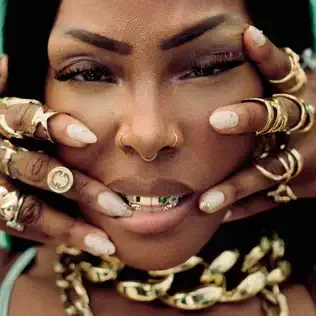
With new album Creole Culture , Dawn Richard completes the musical trilogy that began with 2019’s New Breed and continued with 2021’s Second Line , delivering her first solo album in five years. Inspired by New Orleans’ vibrant musical heritage, the project blends R&B, jazz, electronic dance, soul, reggae and alternative bedroom pop into an eclectic celebration of her cultural roots and personal journey. Standout tracks include “Only Fans,” “Groove City” and “Enough,” which incorporates a subtle nod to Sister Nancy’s classic “Bam Bam.” Rather than relying solely on recognizable references, Richard allows the album’s musical influences to unfold organically, creating a lively, richly layered listening experience best appreciated from beginning to end.
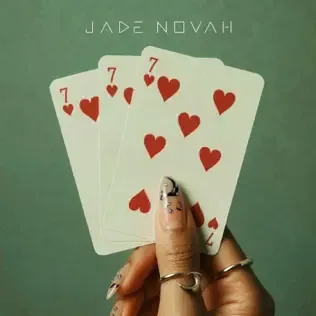
Rising ATL artist Jade Novah returns with “777,” a new R&B single released October 9, 2026, through Let There Be Art Company. Following previous releases “Safe Space” and “90’s Fine,” the singer-songwriter continues her fall-season run with a track centered on transcendent love and music. Novah encouraged fans to “never settle,” teasing an elevated experience that invites listeners to “jump timelines” through her latest musical offering.
Mýa brings retro vibes to “Saturday Night,” a feel-good disco-funk track from her 10th studio album, Retrospect . Blending punchy horns, driving basslines and infectious grooves, the single celebrates the sounds and styles of the ’80s and ’90s. Directed by City James, with creative direction by Derek Brown, the accompanying video captures the spirit of an ultimate house party, inviting fans to embrace nostalgia, dance and enjoy timeless musical joy.
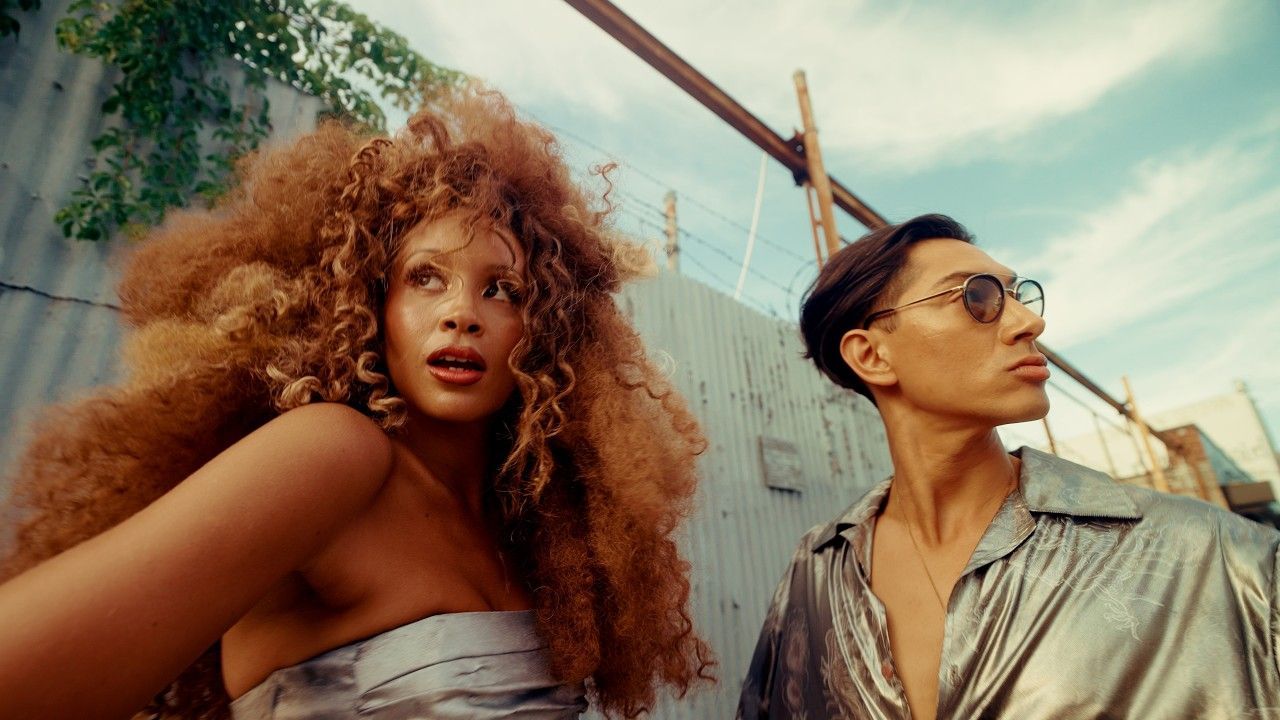
New York electronic soul duo LION BABE, comprising singer Jillian Hervey and producer Lucas Goodman (Astro Raw), serve up style and attitude with “Fashion Week,” a playful disco-house track produced by DJ and songwriter Never Dull. Inspired by the confidence of ’90s supermodels, the accompanying video transforms city sidewalks into a runway, capturing the duo’s fashionable energy following appearances at London and New York Fashion Week.