EDITORIAL

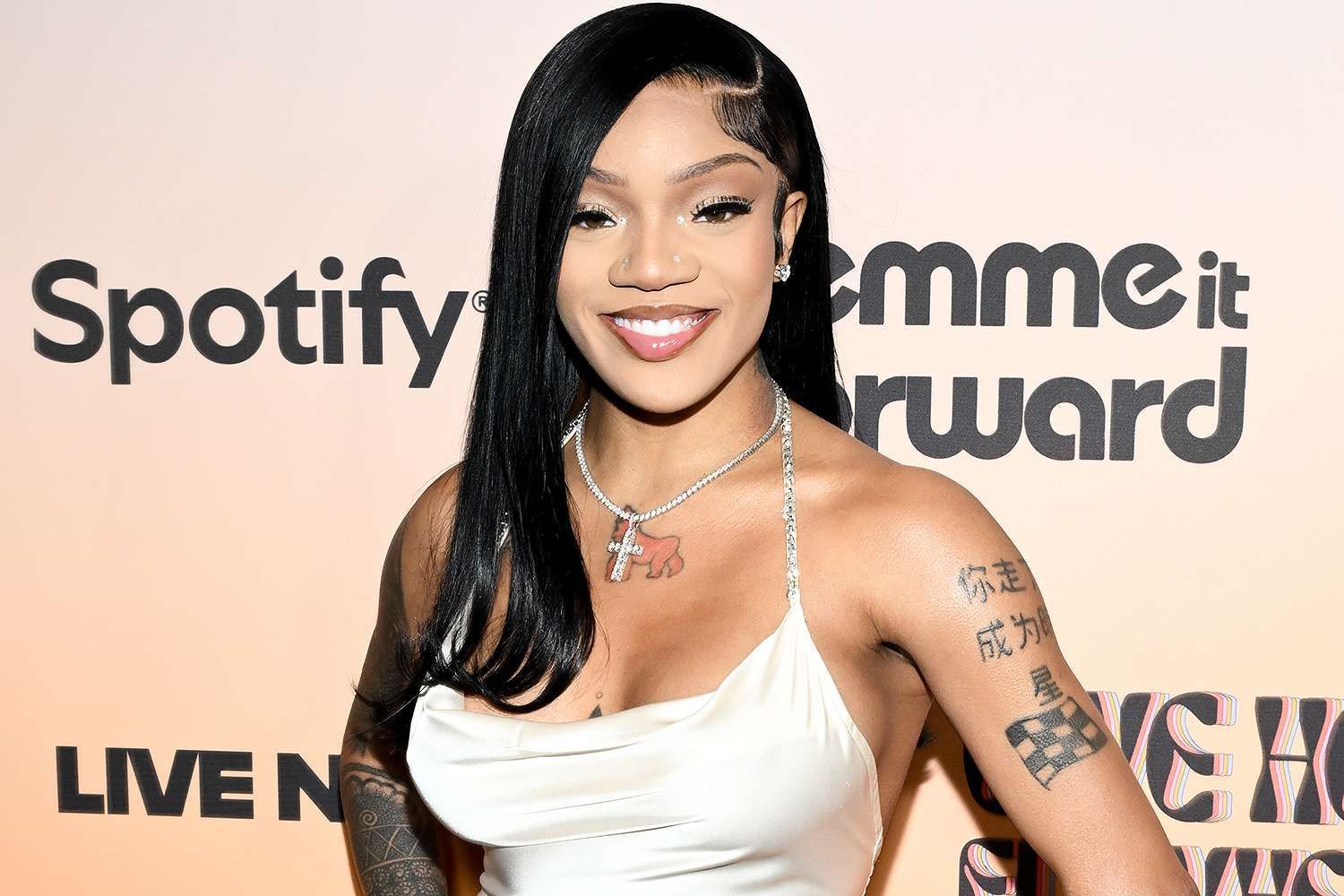
GloRilla’s recent public clash with her sister Victoria “Scar Face” Woods has ignited a familiar and uncomfortable conversation about fame, family, and financial obligation. Since breaking out in 2022 with “F.N.F. (Let’s Go)” and quickly ascending to mainstream success with charting singles, awards, and a top-five debut album, the Memphis rapper has become one of hip-hop’s fastest-rising stars. But with that success has come an expectation that she must now serve as the financial backbone of an extended family, a burden that too often gets placed on the first person to “make it” out of difficult circumstances. Scar Face’s claims that GloRilla has abandoned family members in need tap into a narrative that success equals permanent responsibility. Yet the evidence suggests a far more complicated reality. GloRilla has publicly shown moments of generosity toward her parents and loved ones, and other family members have stepped forward to defend her support over the years. Her response (including sharing a message of appreciation from her mother and urging her sister to seek employment) may have felt blunt, but it underscored a necessary point: providing help does not mean surrendering one’s autonomy or becoming an endless source of cash for anyone who asks.

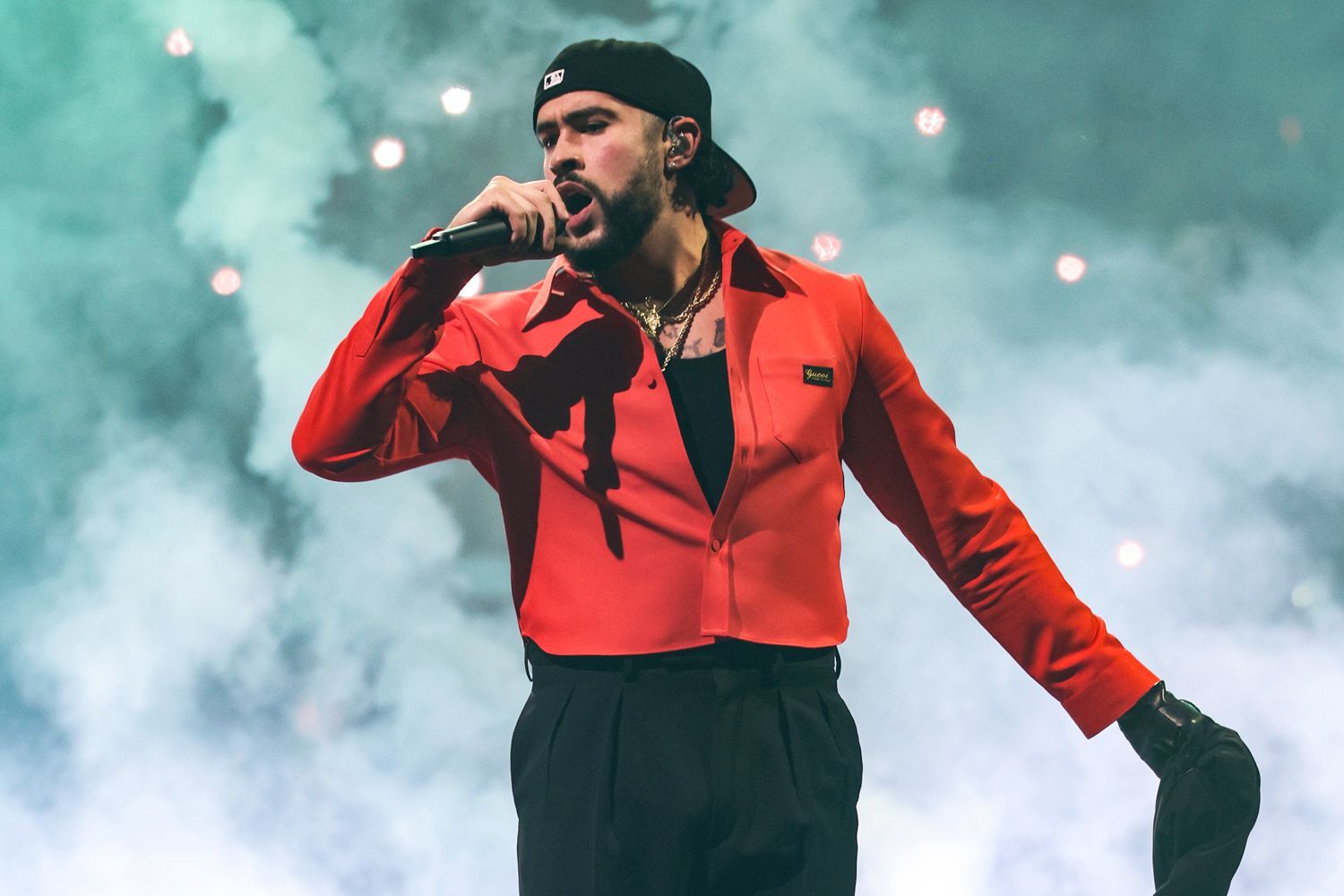
When the NFL announced that Bad Bunny would headline the Super Bowl LX halftime show on February 8, 2026, it should have been a celebratory moment: a recognition of one of the most globally successful and culturally significant artists of the modern era. Instead, the reaction from conservative corners of America has been nothing short of absurd. From politicians to pundits to former football players, the outrage over a Puerto Rican superstar performing at America’s biggest sporting event reveals more about their own insecurities and biases than it does about Bad Bunny or his music. The outrage machine kicked into overdrive almost immediately. Just this Tuesday, Speaker of the House Mike Johnson called the NFL’s decision “terrible” and suggested 82-year-old Lee Greenwood should perform instead, as though nostalgia were the only valid form of patriotism. Recently, Fox Nation host Tomi Lahren embarrassed herself by claiming Bad Bunny “is not an American artist,” only to be reminded (on her own show) that Puerto Rico is part of the United States. Even Donald Trump jumped into the fray, claiming he’d “never heard of him,” a statement that says more about Trump’s cultural ignorance than about Bad Bunny’s reach. Hall of Famer Eric Dickerson also chimed in on the brouhaha, telling Bunny to “keep his ass away” from the Super Bowl if he doesn’t “like America.” Nonetheless it’s a pattern we’ve seen before: manufactured outrage cloaked in nationalism and cultural insecurity.