Usher Defends Diddy, But Leaves Out the Hard Truths
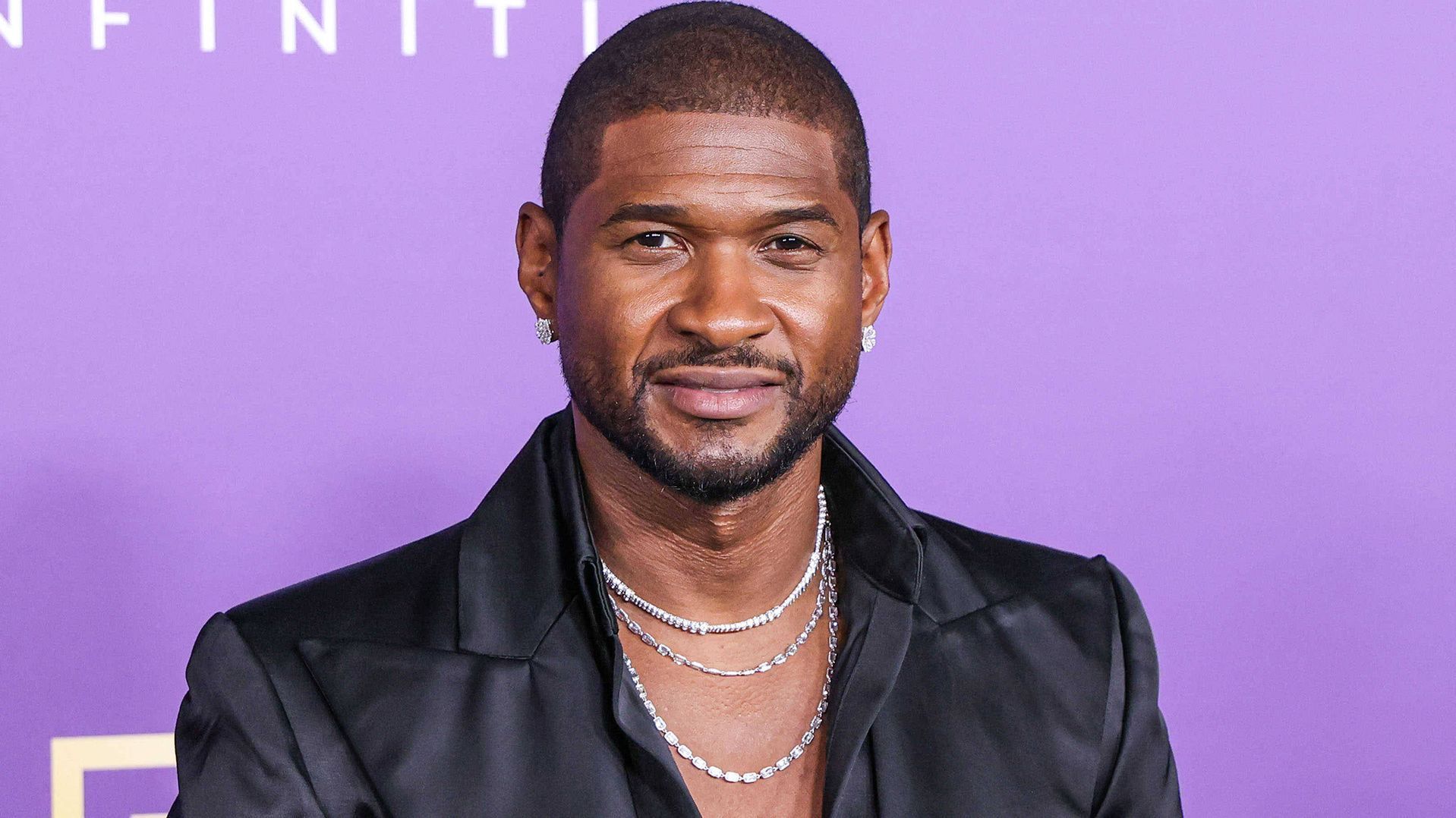
When Usher speaks on legacy, it carries weight. After all, if anyone knows anything about legacy it's Usher, a man who since he released his self-titled debut album at the age of 15 in 1994, has gone on to win 8 Grammy's while becoming one the world's most recognized contemporary R&B singers and pop musicians. So when Usher speaks, people listen, which makes his recent defense of former mentor Sean "P. Diddy" Combs, somewhat disturbing
Indeed, in an interview last week with Forbes, talking about his own legacy as a an artist, businessman, and father, Usher spoke out in defense of the recently convicted of two counts of transportation of prostitution Combs. Describing for former head of Bad Boy Records as “misrepresented” and worthy of recognition, comments that reflected a deeply personal truth rooted in mentorship and early career influence. As for Usher, Diddy is not just a headline or a conviction; but a formative figure, a teacher during a critical moment in both his life and career. A perspective that's certainly valid as personal experience often complicates public narratives, especially when it comes to icons who helped shape culture and opportunity for others.
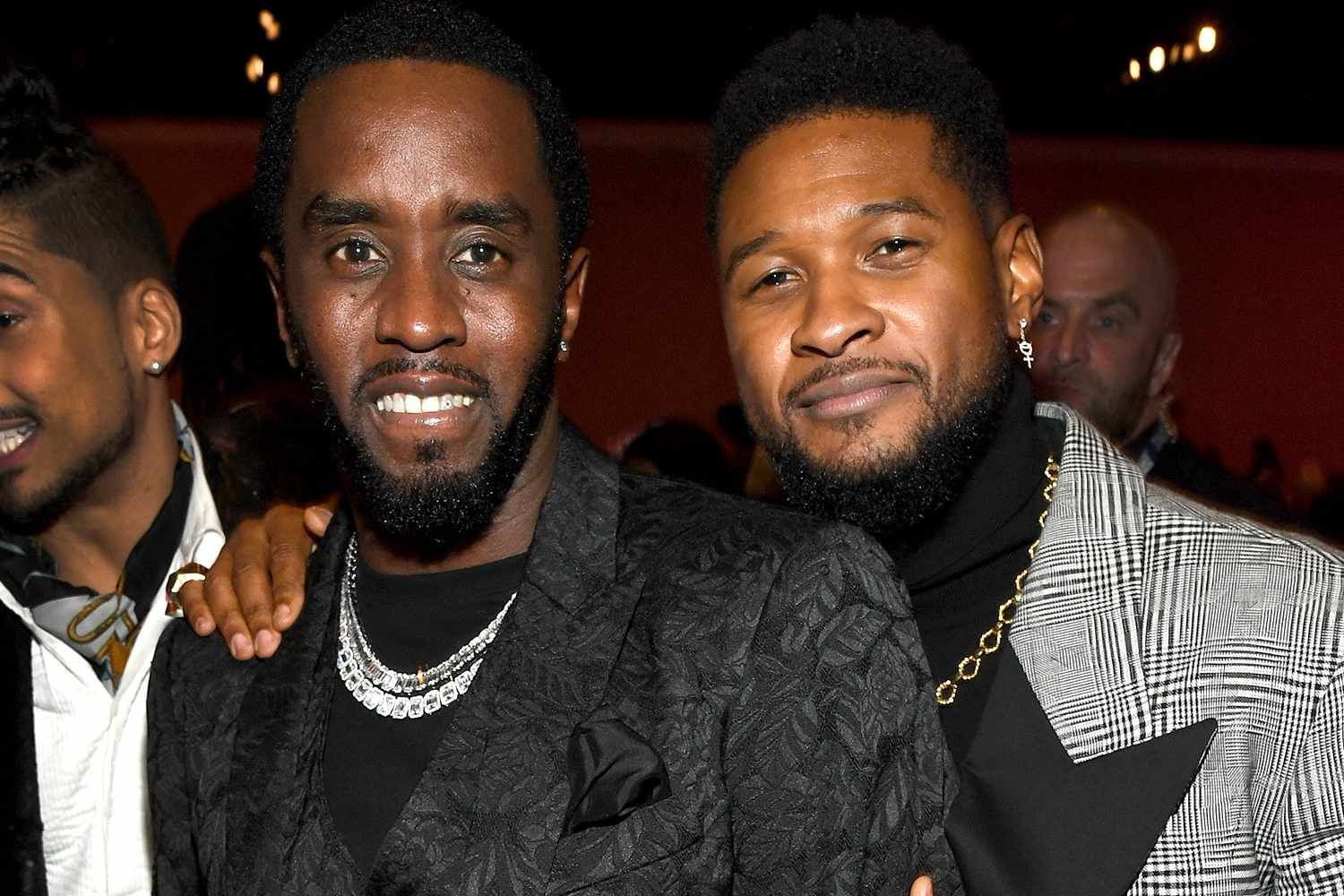
But legacy can't exist in a vacuum, especially when it comes to Combs who is currently serving a federal sentence following his 2025 conviction, but also now has a public record that includes widely reported sexual allegations and documented incidents of harm. So to speak of legacy without directly acknowledging those realities is not balance, it’s omission.
Indeed, instead of being direct, Usher’s comments attempt to broaden the conversation, suggesting that greatness and wrongdoing can coexist, but by sidestepping the specifics of that wrongdoing, the conversation loses its grounding and it becomes less about nuance and more about protection.
To be fair, there is a meaningful discussion to be had about how we evaluate complicated figures, particularly within Black cultural and business spaces where contributions have historically been overlooked or undervalued. Yet that discussion requires honesty in full. Recognizing Combs’ impact on music and entrepreneurship should not come at the expense of acknowledging those harmed or minimizing the severity of his actions. By failing to engage that side of the story, Usher isn’t advancing a deeper dialogue, he’s reinforcing a familiar pattern of circling the wagons. True legacy, if it's supposed to mean anything, must hold both achievement and accountability in the same frame.